Conversations
What we're saying, what's being said, what should be said.
It Was Invented in Hollywood. He Called It French Anyway.
A rare time borrowed language worked — and why.
I talk a lot about borrowed language. About brands that use words they haven't earned — "clinical," "artisan," "science-backed" — to fill a gap where a real truth should be. Borrowed language is the symptom of a brand that hasn't done the foundational work. It sounds like something, yet it means nothing specific to anyone.
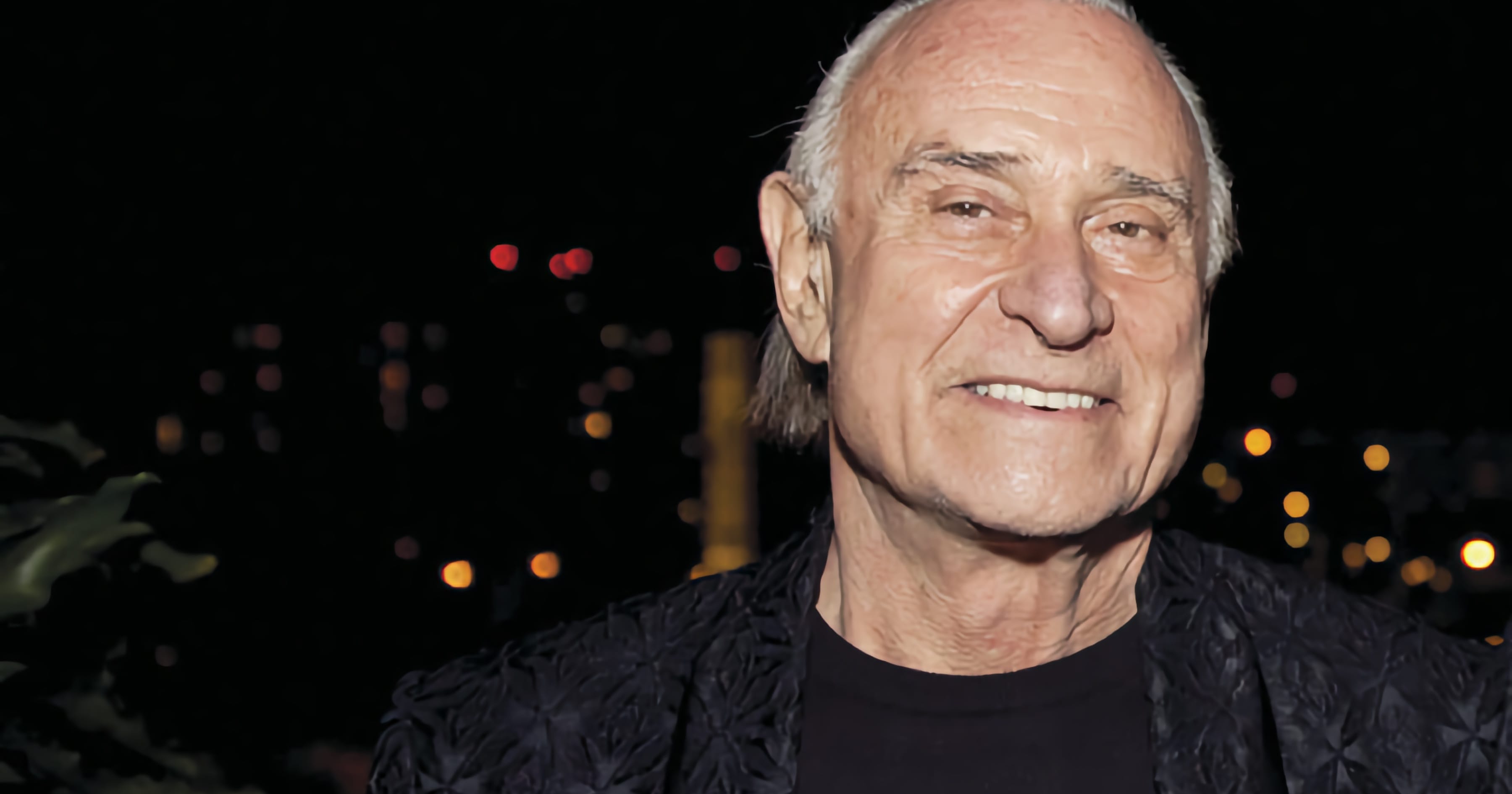
Enter Jeff Pink.
Pink founded ORLY in 1975 after doing an apprenticeship that he paid $2,500 to obtain. He wasn't trained as a beauty entrepreneur. He was a former makeup artist who decided he wanted to learn the business and found someone willing to teach him. That self-made quality mattered because it shaped how he thought about problems. He didn't reach for category language. He asked what the actual problem was and worked backward from there.
In the mid-1970s, an old colleague from the film industry called him with a problem. Hollywood directors were losing time and money changing actresses' nail polish between scenes to match their wardrobes. The fashion at the time was to match nail color exactly to dress color. Each nail change took an hour to dry. Pink went back to his office and thought about the white pencils used to brighten the underside of nails. He called a manufacturer and requested white nail polish. The manufacturer thought he was crazy but sent it anyway. Pink applied white to the tips, a flesh-toned polish over the nail, and brought it to the studio.
Pink called it the Natural Nail Look. He built a kit around it. The following year, a friend invited him to Paris Fashion Week, where models, who change outfits even more frequently than actresses, loved it for exactly the same reason. On the flight home, Pink decided the name was too descriptive and not memorable enough. He renamed it the French manicure.
It had nothing to do with France, really. The name was borrowed. The Frenchness was invented. And it became one of the most requested nail looks in the world, still going strong fifty years later. ORLY trademarked "Original French Manicure" in 1978 and has been building on it ever since. Pink's son Tal is now VP. The company produces over 750 products. When asked recently why ORLY has survived fifty years of booms, recessions, and TikTok trends, the answer was simple: "We never lost sight of our values."
So what happened? Why did borrowed language work here when it fails almost everywhere else?
The answer is the distinction most brands never make. There are two ways to borrow language. The first is to borrow it to fill a gap — to use words that sound like proof when no proof exists, to claim a credential you haven't earned, to gesture toward a world your brand doesn't actually inhabit. That's the borrowed language that fails. It's a substitute for truth.
The second is to borrow language to frame a truth you already own. That's what Pink did. The Natural Nail Look was genuinely what it claimed to be — a universal, elegant, functional look that worked with any wardrobe, for any occasion, on any woman. That truth existed before the name did. "French" didn't create it. It framed it. Paris in the 1970s was the shorthand for elegance and fashion. Calling it the French manicure placed the look in a world it already belonged to, even if it had been invented in California.
This is the distinction that matters. Borrowed language fails when the borrow is doing the work the truth should be doing. It works — rarely, almost never, but occasionally — when the truth is already there, and the borrowed frame makes it more accessible to the world.
Most brands that reach for borrowed language are doing the opposite. They haven't found the truth yet. The borrowed language is how they avoid finding it. "Clinically proven" fills the space where a specific clinical outcome should be. "French" named something that was already proven on two continents before the word was attached to it.
The lesson isn't that borrowed language can work. The lesson is that it only works when you've already done the work that makes the borrowing honest. And if you've done that work, the borrowed frame is a finishing touch, not a foundation.
What truth does your brand have that it hasn't named yet?